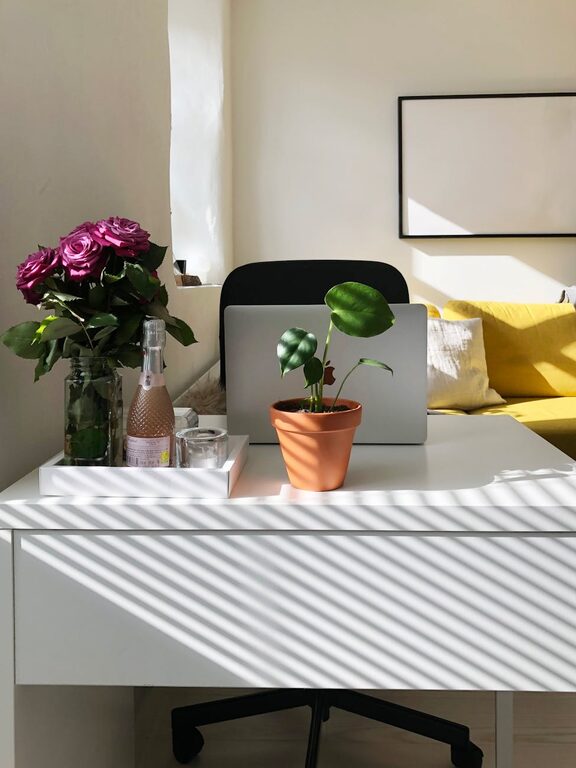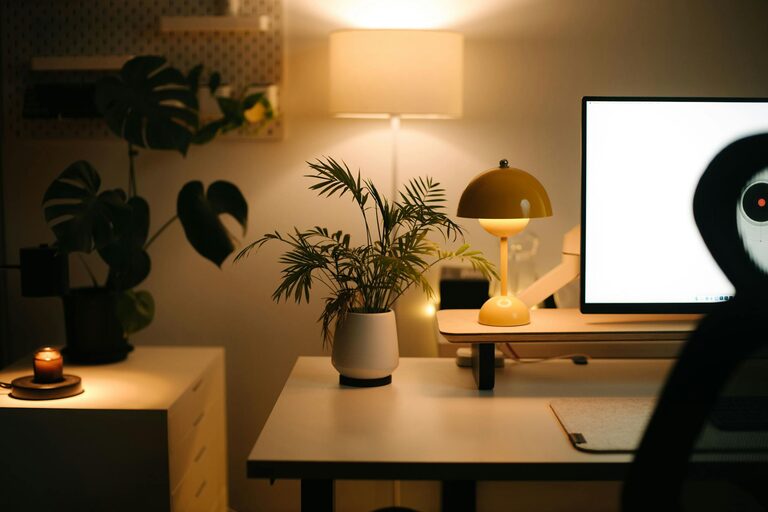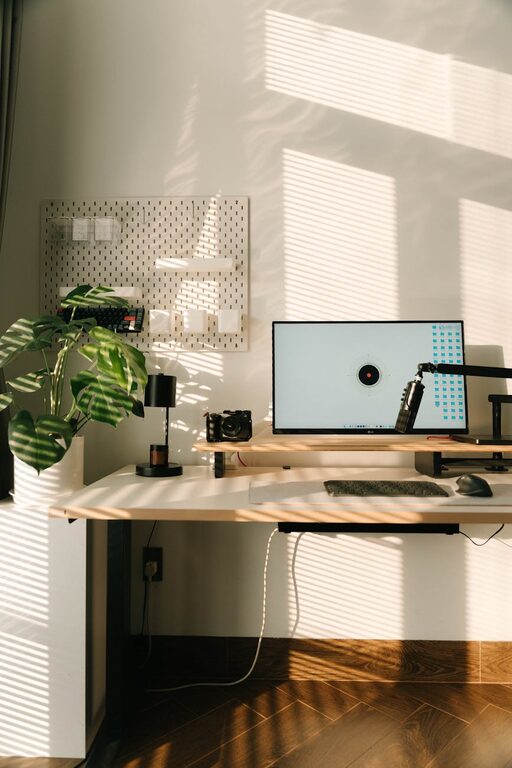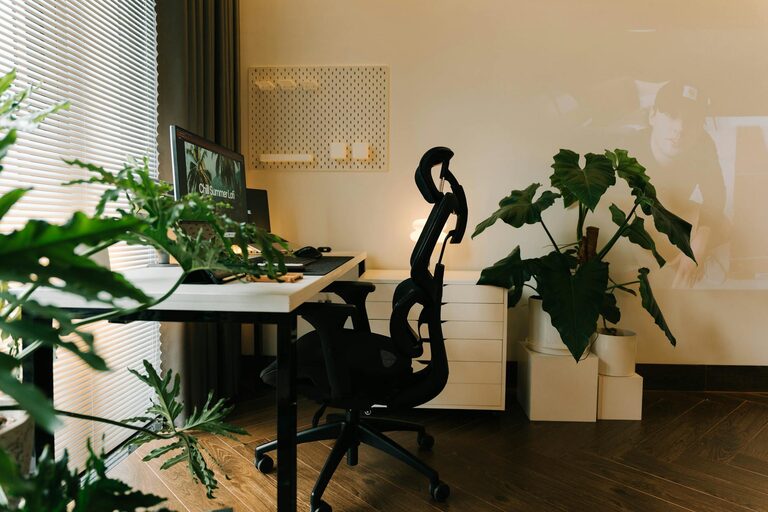
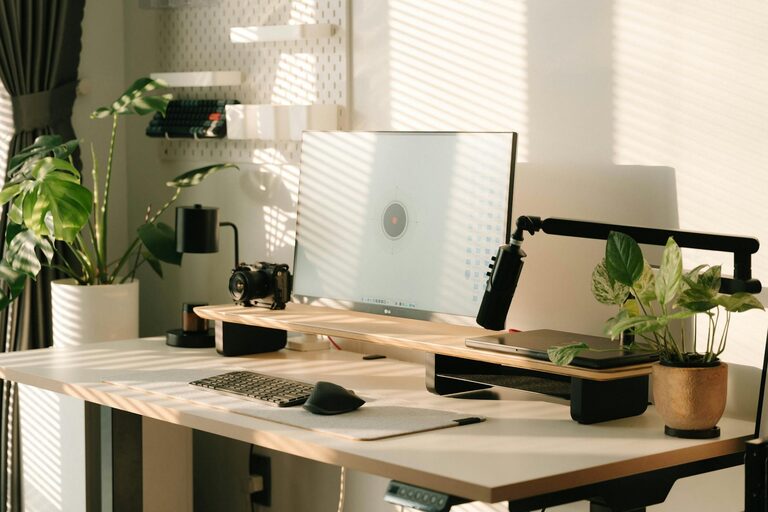
Creating a relaxing home workspace is essential for boosting productivity, especially as many people continue to work remotely. When your work environment feels calm and organized, it’s easier to focus, reduce stress, and get more done. If you’re looking to transform your home office into a peaceful place where you can work efficiently, here are some helpful tips.
Why a Relaxing Workspace Matters
Your workspace affects your mood, energy, and ability to concentrate. A cluttered or uncomfortable area can make you feel overwhelmed and distracted. On the other hand, a relaxing environment promotes mental clarity and motivation. Designing a space that feels inviting and free from stress sets the stage for productive work sessions.
Choose a Quiet, Comfortable Spot
Start by selecting a location in your home that offers as much quiet as possible. If possible, pick a spot away from heavy foot traffic or noisy appliances. This helps limit distractions.
Comfortable Seating Is Key
Invest in an ergonomic chair that supports your posture. Sitting comfortably means you can work longer without discomfort or pain, which improves focus and productivity.
Use Natural Light Whenever Possible
Natural light helps reduce eye strain and boosts your mood. Position your desk near a window to take advantage of sunlight. If natural light is limited, opt for full-spectrum or daylight bulbs that mimic natural lighting.
Declutter and Organize Your Space
An organized workspace makes it easier to find what you need and keeps your mind clear.
– Declutter regularly: Throw away or store unnecessary items.
– Use organizers: Desk trays, file cabinets, and drawer dividers help keep supplies tidy.
– Limit personal items: A few meaningful decorations or photos are fine, but avoid overcrowding your desk.
Incorporate Soothing Colors and Décor
Colors can influence your emotions. Choose calming, neutral colors like soft blues, greens, or beiges. Avoid overly bright or harsh colors that can cause distractions.
Add simple décor such as plants, artwork, or a small water feature to create a serene atmosphere. Plants in particular improve air quality and add a touch of nature.
Keep Technology in Check
While technology is necessary for work, too many devices or tangled cords add to visual clutter.
– Use cable organizers to keep wires neat.
– Turn off unnecessary notifications to stay focused.
– Consider wireless accessories to reduce desk clutter.
Personalize Your Workspace Mindfully
Personal touches make the space your own but keep it purposeful.
– Choose meaningful items that inspire or motivate you.
– Avoid overdecorating to maintain a clean, calm environment.
Create Zones for Different Activities
If space allows, design separate zones for tasks like computer work, writing, or brainstorming. This helps your brain associate areas with specific activities, improving organization and flow.
Establish a Routine and Space Boundaries
A relaxing workspace supports a healthy work-life balance.
– Set specific working hours to create structure.
– At the end of the day, tidy your workspace to signal a break.
– Avoid using your work area for non-work activities, which helps maintain focus.
Incorporate Break Time and Movement
Even in a relaxing workspace, it’s important to take breaks and move around.
– Schedule short breaks every hour.
– Stretch or walk to refresh your mind and body.
– Use a timer or reminder app if needed.
Keep Refreshments Nearby
Having water or a healthy snack nearby means fewer interruptions. Staying hydrated and energized supports better concentration.
Final Thoughts
Designing a relaxing home workspace doesn’t require a full remodel or expensive purchases. Small, thoughtful changes can make a big difference. By prioritizing comfort, organization, and a calm atmosphere, you create a space where productivity naturally follows. Experiment with these tips to find what works best for you and enjoy a more focused and peaceful workday.
About the Author