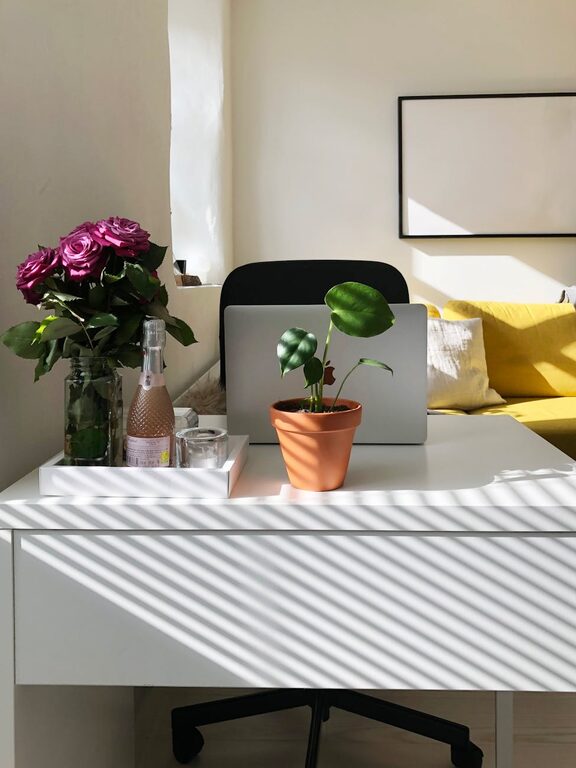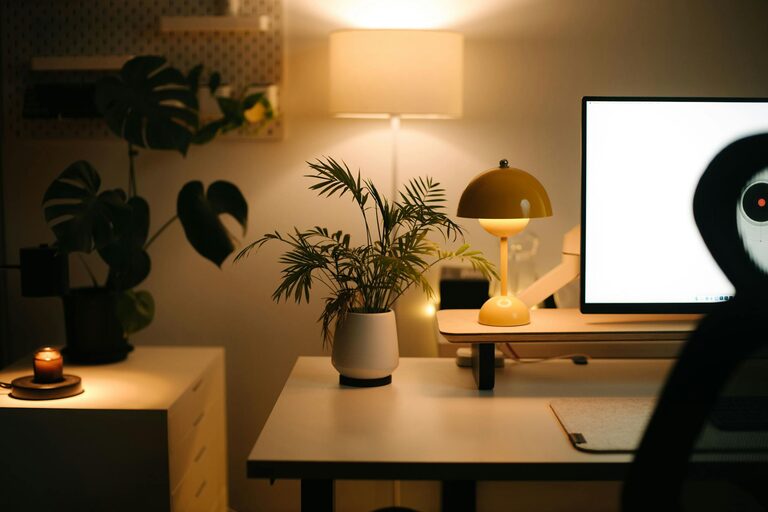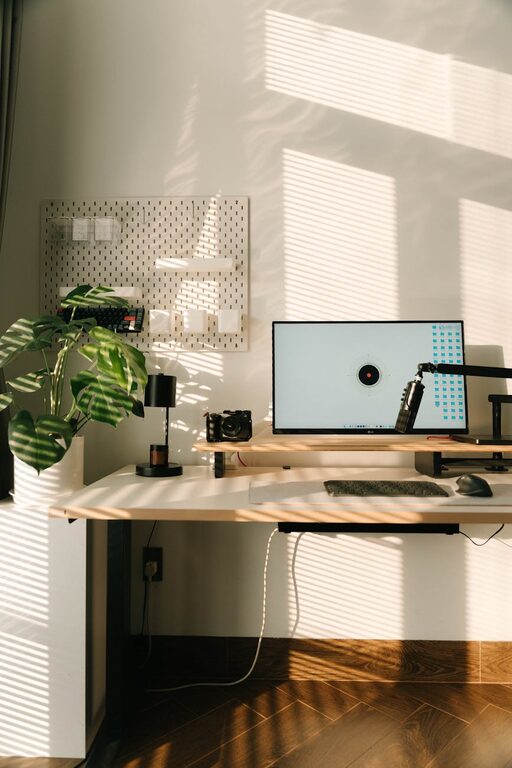
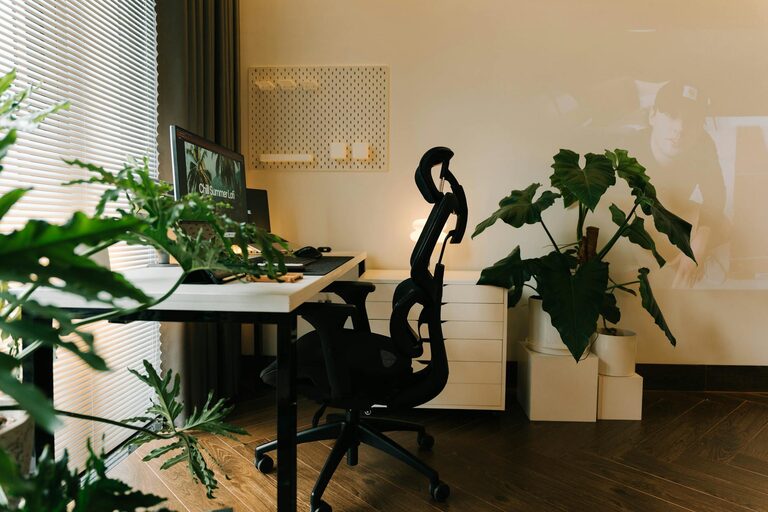
Creating a relaxing home office environment is essential for maintaining focus, reducing stress, and enhancing overall well-being while working from home. Whether you’re new to remote work or seeking ways to improve your current setup, a thoughtful workspace can make all the difference.
In this post, we’ll explore practical tips to help you design a home office that feels calm, inviting, and productive.
Why a Relaxing Home Office Matters
Working from home offers flexibility but can also bring distractions and discomfort. A stressful or cluttered workspace can decrease motivation and increase fatigue. On the other hand, a relaxing office can:
– Improve focus and efficiency
– Enhance creativity and problem-solving
– Reduce feelings of burnout
– Promote a healthy work-life balance
Creating this kind of space involves both physical setup and mindset adjustments.
Choose the Right Location
Find a Quiet Spot
Select a place in your home where you’re less likely to be interrupted. Ideally, choose a separate room or a corner away from common areas like the kitchen or living room.
Consider Natural Light
Set up near a window if possible. Natural light helps regulate your body clock, reduces eye strain, and boosts mood. Avoid direct sunlight on your screen to minimize glare.
Invest in Ergonomic Furniture
Comfort supports productivity. Here are some key pieces to prioritize:
– Ergonomic chair: Choose one with good lumbar support, adjustable height, and enough cushioning.
– Appropriate desk: Pick a desk height that allows your arms to rest comfortably at a 90-degree angle. Standing desks or adjustable desks are great options for flexibility.
– Monitor stands: Position your screen at eye level to avoid neck strain.
Spending a little more on ergonomic furniture pays off in comfort and long-term health.
Keep Your Workspace Organized
A cluttered desk can lead to a cluttered mind. Follow these tips for better organization:
– Use drawer organizers or trays for stationery and small items.
– File documents regularly to avoid piles.
– Utilize shelves or wall organizers to keep frequently used items within reach.
– Remove unnecessary items to create a minimalist look.
Regular tidying helps create a calm environment that promotes focus.
Add Personal Touches
Making your workspace enjoyable can boost your motivation. Consider:
– Adding plants for a touch of greenery and improved air quality.
– Hanging artwork or inspiring quotes.
– Using your favorite colors in office accessories or wall paint.
– Playing soft background music or white noise if it helps you concentrate.
Personal touches should inspire you without causing distraction.
Manage Lighting Effectively
Lighting plays a big role in setting the mood and preventing eye strain.
– Combine natural light with layered artificial lighting.
– Use adjustable desk lamps with warm light for focused tasks.
– Avoid harsh overhead fluorescent lights by opting for softer LED bulbs.
– Position your monitor to minimize glare from windows or lamps.
Proper lighting creates comfort and reduces fatigue during long work hours.
Maintain Good Air Quality and Temperature
Fresh air and comfortable temperature help keep your mind sharp.
– Open windows regularly or use an air purifier.
– Keep your room well-ventilated.
– Adjust your thermostat to a comfortable setting (typically 68-72°F or 20-22°C).
– Use fans or portable heaters as needed for better climate control.
Healthy air quality supports physical and mental well-being.
Establish Boundaries and Routine
A relaxing office isn’t just about the physical space—it’s also about your work habits.
– Set clear work hours and stick to them.
– Use a door or room divider to signal “work mode.”
– Take regular breaks to stretch or walk around.
– Keep work and personal spaces separate to maintain balance.
Creating boundaries helps prevent burnout and keeps your office a space for productivity.
Incorporate Movement and Comfort
Sitting for long periods can cause discomfort and decrease concentration.
– Use a comfortable floor mat or cushion if standing.
– Consider a balance ball chair or footrest for better posture.
– Schedule brief stretching or walking breaks throughout the day.
– Practice simple office exercises to relieve tension.
Combining relaxation with movement keeps you energized and focused.
Use Technology to Your Advantage
Leverage tools that enhance your comfort and workflow:
– Noise-canceling headphones to block distractions.
– Apps for focus and time management such as Pomodoro timers.
– Cable organizers to reduce cord clutter.
– Wireless devices to free up desk space.
Technology, when used thoughtfully, can contribute to a more relaxing work environment.
Final Thoughts
Designing a relaxing home office does not require major renovations or expensive items. Small changes—from adjusting your chair height to adding a plant—can significantly improve your comfort and productivity. Focus on creating a space that reflects your preferences while supporting healthy work habits. With a calming environment, you’ll enjoy working from home more than ever.
Try out these tips one at a time and see what works best for you. Your perfect home office is just a few thoughtful steps away!
About the Author