Creating a relaxing home office space is essential for maintaining focus and reducing stress during your workday. Whether you’re working remotely full-time or occasionally tackling tasks from home, a well-designed office can make a big difference in your productivity and overall well-being. Here are practical tips to help you create a calming environment that supports your work and relaxation.
Choose the Right Location
Consider Natural Light
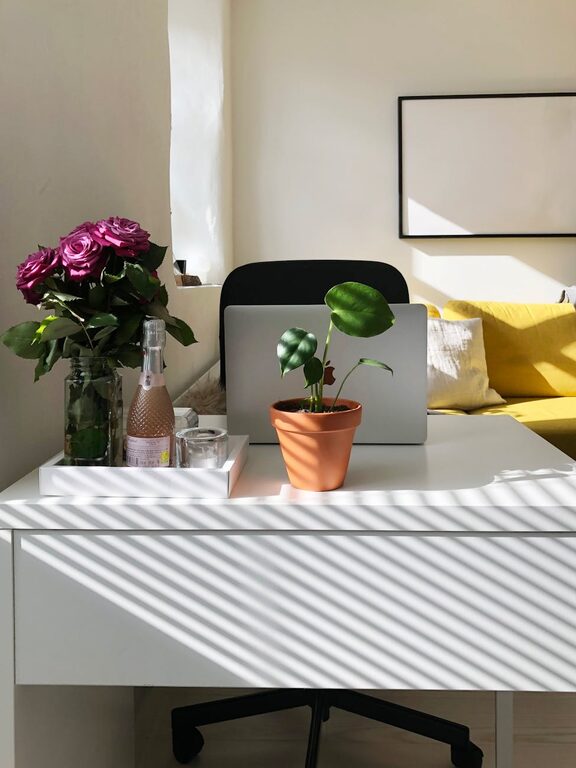
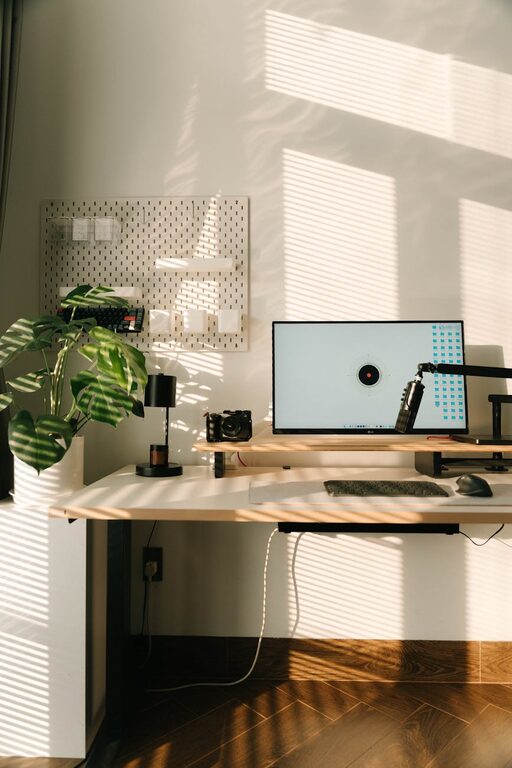
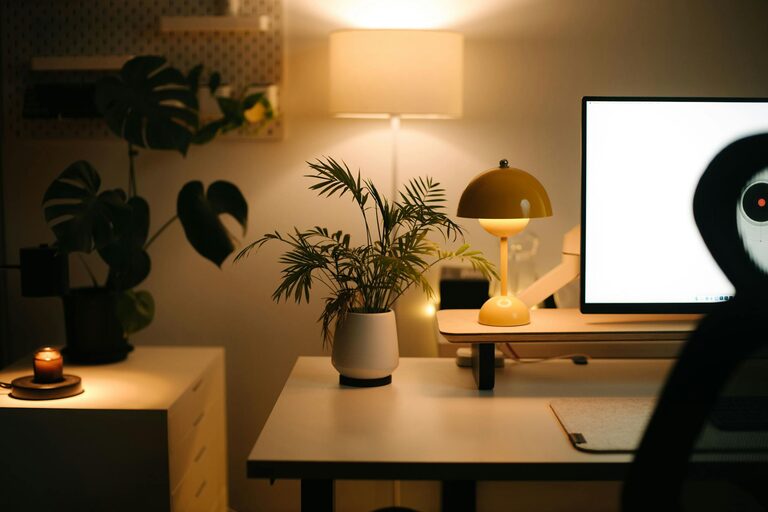
Position your desk near a window to take advantage of natural light. Sunlight helps improve mood and energy and reduces eye strain compared to artificial lighting. If natural light is limited, invest in good quality, adjustable lighting that mimics daylight.
Find a Quiet Spot
Select an area of your home that’s away from high-traffic zones and noisy appliances. A peaceful corner or an extra room can create the calm environment needed for concentration.
Invest in Comfortable Furniture
Ergonomic Chair and Desk
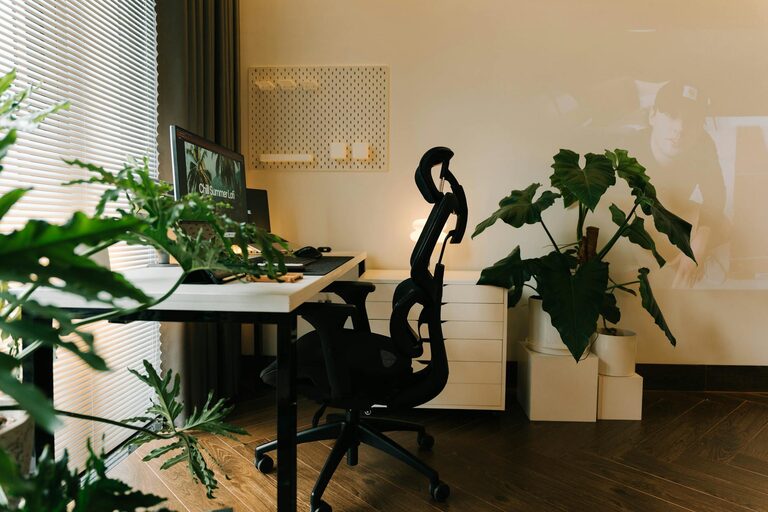
Comfort is key in a relaxing office. Choose a chair that supports good posture and a desk at the right height to avoid strain on your back and wrists. Adjustable furniture allows flexibility for different tasks or standing work.
Add Soft Textures
Consider adding a cozy rug, cushions, or a soft throw on your chair. These small touches can contribute to a more inviting and comfortable space.
Keep the Space Organized
Declutter Regularly
A cluttered desk leads to a cluttered mind. Make it a habit to tidy your workspace at the end of each day. Use cable organizers to manage cords and keep surfaces clear.
Utilize Storage Solutions
Shelves, drawers, and organizers help keep supplies and documents neatly stored but within reach. Labels and bins can improve efficiency and reduce stress searching for items.
Use Calming Colors and Decor
Choose Soothing Colors
Soft blues, greens, and neutrals create a peaceful atmosphere. Avoid overly bright or harsh colors that can be distracting or stressful.
Personalize with Meaningful Items
Incorporate a few personal touches such as a favorite photo, artwork, or a small plant. These add warmth and a sense of belonging without overwhelming the space.
Incorporate Nature Elements
Add Plants
Houseplants improve air quality and add a natural, calming element. Easy care plants like succulents, spider plants, or peace lilies are great options.
Use Natural Materials
Wood or bamboo desk accessories and natural fiber rugs can create a grounded, serene vibe.
Control Noise and Sound
Use Soft Background Music
Instrumental or nature sounds can help mask distracting noises and create a mood conducive to focus.
Soundproofing Tips
Add thick curtains, rugs, or noise-cancelling panels if outside noise is an issue.
Maintain Good Air Quality and Temperature
Ventilation
Open windows when possible to ensure fresh air circulation. Poor air quality can reduce concentration and cause discomfort.
Temperature Control
Keep your office at a comfortable temperature. Use fans, heaters, or a thermostat to maintain a pleasant environment.
Take Breaks and Move
Set a Schedule
Incorporate short breaks to stand, stretch, or walk around. Movement helps reduce muscle tension and mental fatigue.
Create a Relaxation Area
If space allows, add a small comfortable chair or corner where you can briefly step away from work tasks and reset your mind.
Final Thoughts
A relaxing home office isn’t just about aesthetics—it’s about creating a space that supports your work and well-being. By paying attention to lighting, comfort, organization, and personal touches, you can develop a workspace that helps you stay productive while feeling calm and refreshed. Remember that small adjustments over time can make a significant impact, so start with a few changes and build your ideal office space step by step.
About the Author