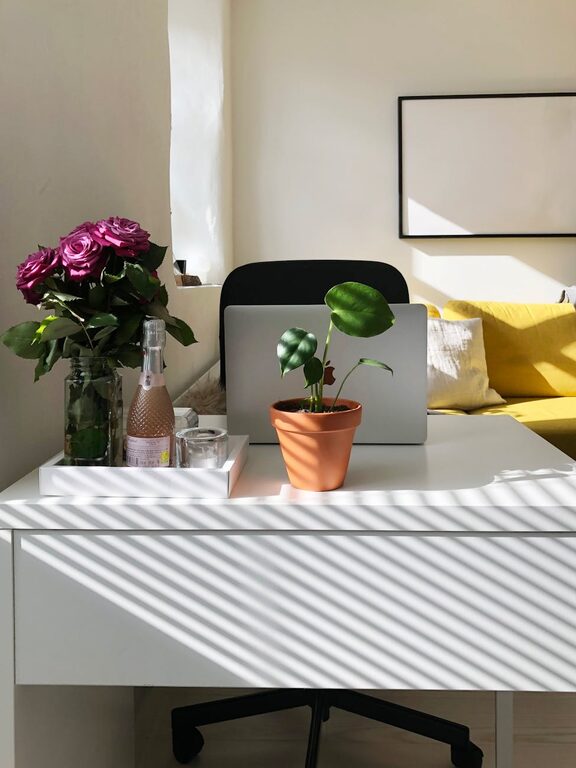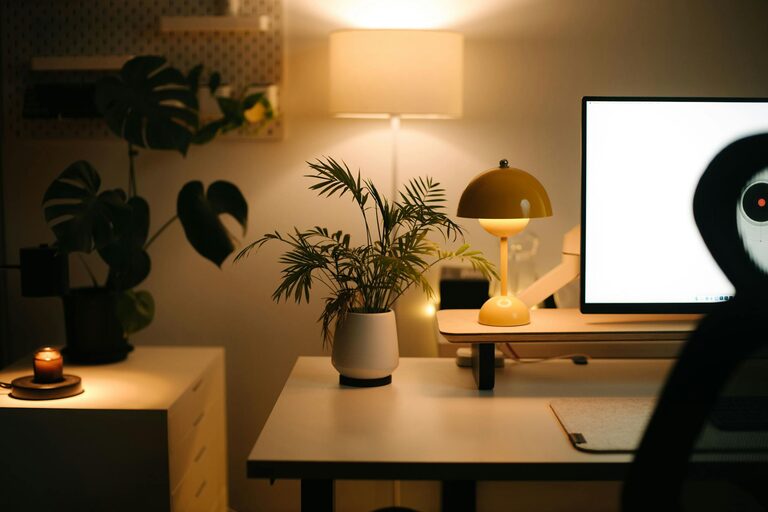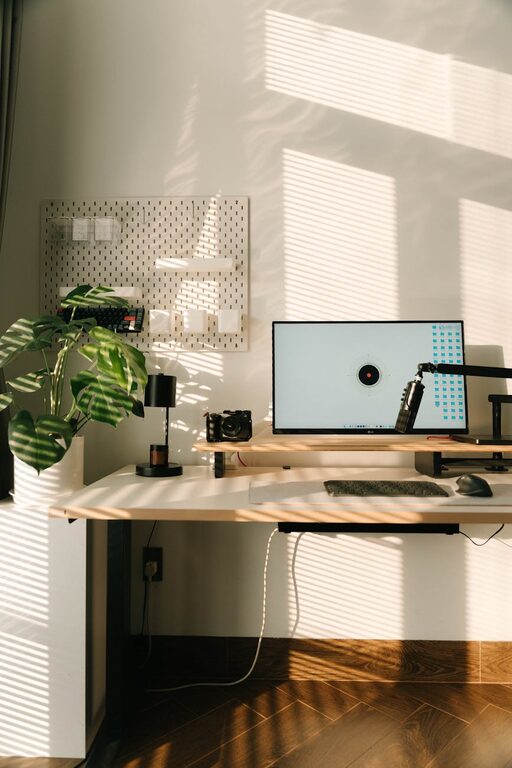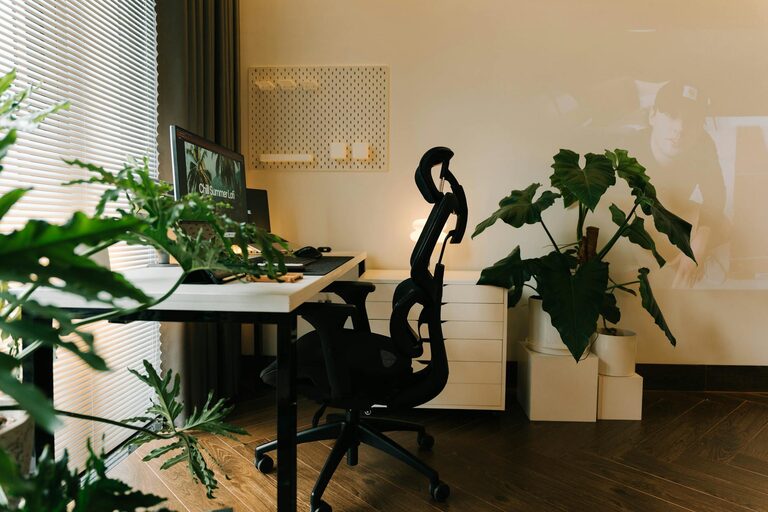
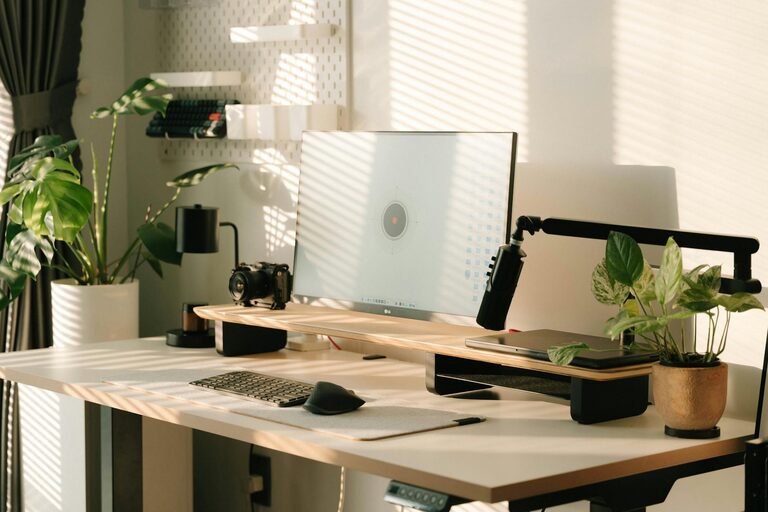
Creating a comfortable and productive home office space is essential for anyone who works remotely or spends significant time at home on their tasks. A well-designed workspace can boost focus, reduce stress, and improve overall job satisfaction. Whether you have a dedicated room or just a small corner, there are several strategies you can apply to make your home office both inviting and efficient.
Choose the Right Location
Finding the best spot for your home office sets the foundation for productivity.
– Quiet and Private Area: Select a space with minimal distractions and good privacy to stay focused.
– Natural Light: Position your desk near a window to take advantage of natural light, which helps reduce eye strain and elevates mood.
– Ventilation: A well-ventilated room keeps the air fresh, helping maintain alertness.
If space is limited, consider creative solutions like transforming a closet or nook into your work area.
Invest in Comfortable Furniture
Comfort is key when spending long hours working. The right furniture supports your health and keeps discomfort at bay.
– Ergonomic Chair: Choose a chair that supports your lower back and encourages good posture. Adjustable height and armrests add versatility.
– Desk at Proper Height: Your desk should allow your hands to rest comfortably while typing, with forearms parallel to the floor.
– Footrest: If your feet don’t touch the floor naturally when seated, a footrest can provide extra support.
Ensure there’s enough surface area for your computer, notebooks, and other essentials to keep things organized.
Organize Your Space Efficiently
A clutter-free workspace can greatly improve mental clarity and efficiency.
– Use Storage Solutions: Incorporate shelves, drawers, or filing cabinets to keep papers and office supplies tidy.
– Cable Management: Use clips, sleeves, or under-desk trays to organize cords and reduce visual clutter.
– Minimalist Approach: Keep only necessary items on your desk to avoid distractions.
Regularly declutter your space to maintain a fresh and inviting work environment.
Optimize Lighting
Proper lighting is crucial for reducing eye strain and maintaining energy levels.
– Use Layered Lighting: Combine natural light with overhead lights and task lighting for flexibility.
– Adjustable Desk Lamp: A lamp with adjustable brightness and direction helps focus light where you need it most.
– Avoid Glare: Position screens and lights to prevent glare on your monitor.
Consider light bulbs with daylight spectrum to mimic natural light, ideal for long working hours.
Incorporate Personal Touches
Adding elements that you enjoy can make your home office more inviting and inspiring.
– Plants: Adding greenery can improve air quality and bring a calming effect.
– Artwork or Photos: Personalize the space with images that motivate or relax you.
– Comfort Items: A cozy throw blanket or wrist support can make your office feel welcoming.
Balance personalization with functionality to maintain productivity without distractions.
Minimize Noise Distractions
Keeping noise to a minimum helps improve concentration during work.
– Noise-Canceling Headphones: Useful if you can’t control ambient noise.
– Soft Furnishings: Rugs, curtains, and cushions absorb sound, reducing echo.
– White Noise Machines or Apps: These can mask distracting background sounds.
Clear communication with household members about your work schedule can reduce interruptions.
Use Technology Wisely
The right technology tools can streamline your workflow and enhance efficiency.
– Reliable Internet Connection: A fast and stable connection is crucial for video calls and cloud-based work.
– Quality Monitor and Keyboard: Larger screens and comfortable keyboards improve ease of work.
– Backup Power Supply: Consider a UPS (Uninterruptible Power Supply) to protect against outages.
Regularly update your software and hardware to avoid technical issues.
Maintain a Daily Routine
Structure and routine play a significant role in staying productive.
– Set Regular Working Hours: Establish clear start and end times to separate work from personal life.
– Take Breaks: Step away from your desk every hour to stretch or walk to reduce fatigue.
– Designated Zones: If possible, keep work confined to your home office to mentally switch off when done.
Use planners or digital tools to schedule and track your daily tasks.
Focus on Wellness
Your home office should support both mental and physical health.
– Stay Hydrated and Nourished: Keep water and healthy snacks nearby.
– Ergonomic Exercises: Integrate simple stretches or movements to avoid stiffness.
– Natural Elements: Exposure to plants and sunlight helps reduce stress.
Remember that taking care of yourself leads to better work performance and satisfaction.
—
Creating a home office that balances comfort and productivity doesn’t require a large budget or extensive renovations. Thoughtful choices about location, furniture, lighting, and organization can transform your workspace into a place where you look forward to working. By incorporating these practical tips, you’ll set yourself up for success, enjoying workdays that are both efficient and comfortable.
About the Author